2026-05-29
The Miracle of Thigh Muscles: Reducing Knee Pain and Diabetes Medication
Discover how building thigh muscles can act as a natural insulin, protect your heart, and alleviate knee arthritis pain for a healthier life.
Hello,
This is Geomjin Gaja.
I used to love hiking so much that even on weekdays, I would head to Yeonjudae on Gwanaksan Mountain after work.
I believe it was thanks to the thigh muscles I built back then that I have been able to maintain my health, even after I stopped hiking as frequently.
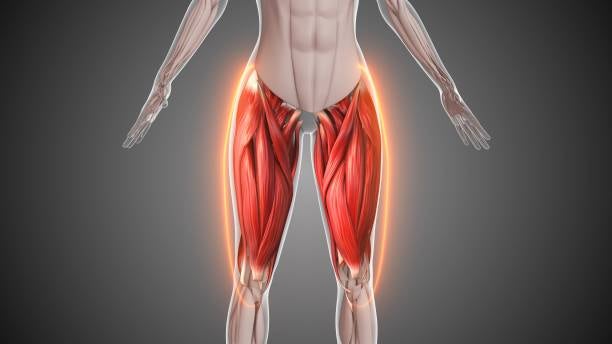
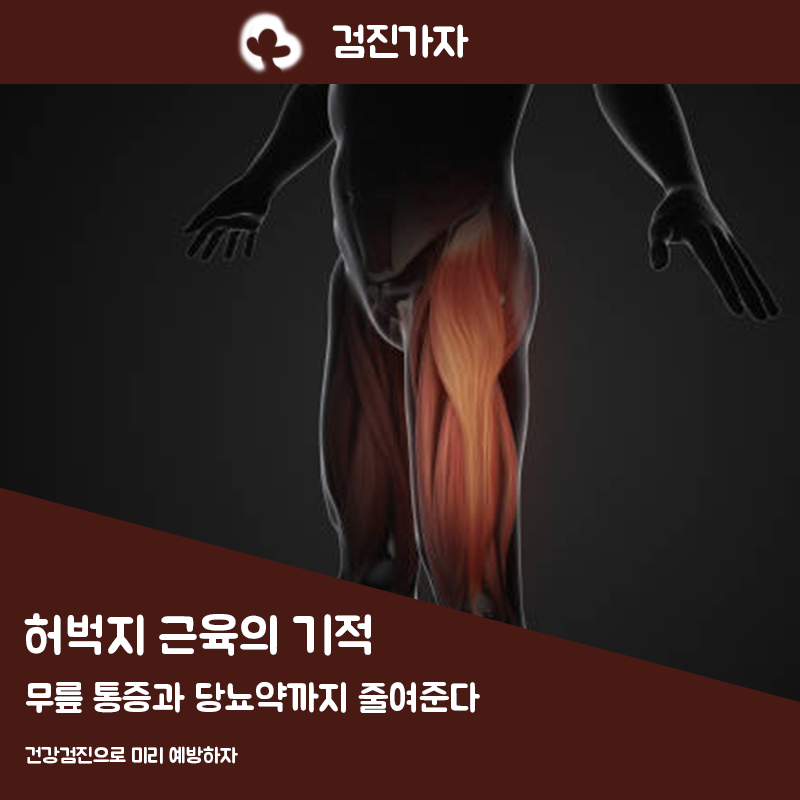
Today, I want to talk about the most powerful engine responsible for our health: the thigh muscles.
Let’s uncover the amazing secrets of how thigh muscles help resolve chronic diseases such as diabetes, heart disease, and arthritis!
Thighs: The Massive Bucket That Burns Our Body Fat
Do you insist on only doing aerobic exercise for weight loss?
Family medicine specialists often compare thigh muscles to a ‘bucket’.
While muscles in the arms or abs are like small ‘spoons’ with limited capacity to scoop out fat, the thighs—which account for about 30% of our body’s muscle mass—act like a giant bucket, burning massive amounts of carbohydrates and fat in a short period to consume energy.
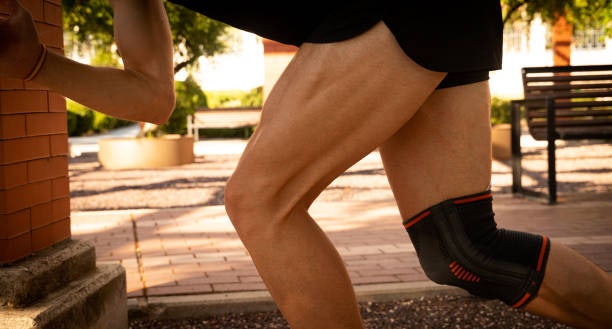
If you want to increase your basal metabolic rate and create a body that doesn’t experience the yo-yo effect, you must target your thigh muscles first.
Why Thigh Muscles Are ‘Natural Insulin’ for Diabetes Patients
One individual who had suffered from diabetes for over 15 years managed to drastically reduce their medication through strength training.
The principle is simple.
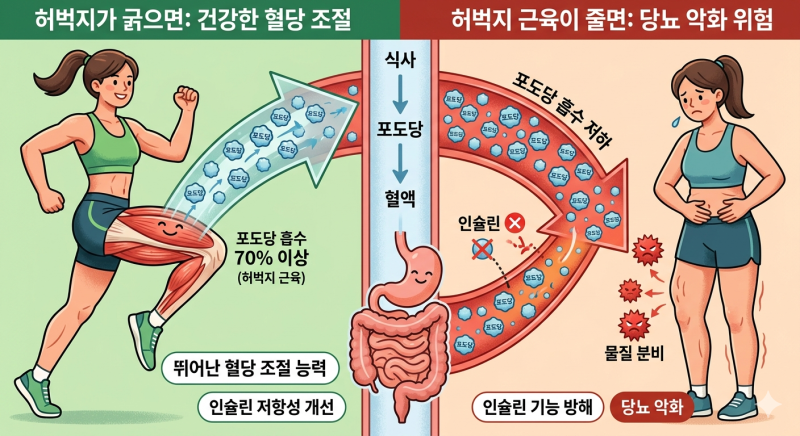
The food we consume turns into glucose and floats in our bloodstream. More than 70% of this glucose is absorbed and used as energy by the thigh muscles.
In other words, the thicker your thighs, the better your blood sugar control and the more your insulin resistance improves.
Conversely, when thigh muscles decrease and fat accumulates, inflammatory substances are secreted, which interfere with insulin function and worsen diabetes.
Lower Body Strength Reduces Cardiovascular Disease and Mortality Risk
Thigh muscles are directly linked to heart health.
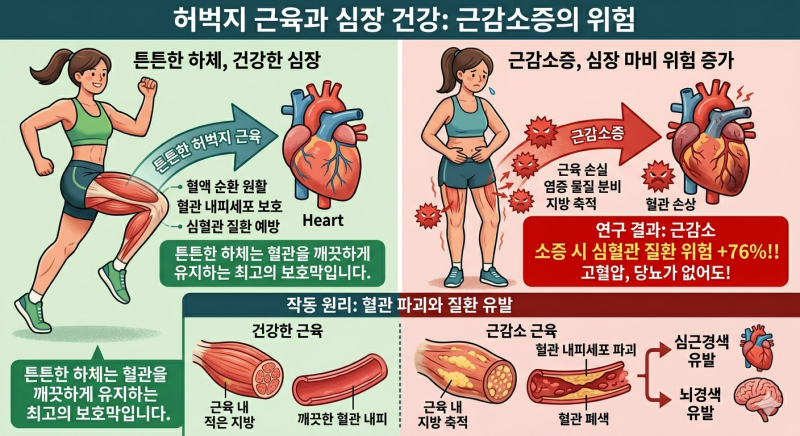
According to research, even if you don’t have high blood pressure or diabetes, having sarcopenia (a condition where muscle mass decreases) increases the risk of cardiovascular disease by a staggering 76%.
This is because the fat that fills the space where muscle used to be destroys vascular endothelial cells and clogs blood vessels, leading to myocardial infarction or cerebral infarction.
Strong lower bodies are the best protective shield for keeping your blood vessels clean.
Managing Arthritis Pain with Muscle Instead of Surgery
There have been miraculous cases where people who struggled to walk due to knee arthritis were able to walk without a cane after strengthening their thigh muscles.
When the quadriceps at the front of the thigh become strong, the muscles absorb the load that would otherwise go directly to the knee joint.
While it cannot make the arthritis itself disappear, strong muscles firmly hold the joint from above and below, reducing pain and slowing down joint damage.
A Lifeline to Prevent Falls in Old Age
As seen in the case of an 82-year-old, the fundamental cause of falls in old age is weakened thigh strength.
Without thigh strength, if you lose your balance, you cannot right yourself like a ‘roly-poly’ toy and are likely to fall, leading to fractures.
Activities like cycling, inline skating, or even simple movements like lifting and lowering your legs while sitting in a chair...
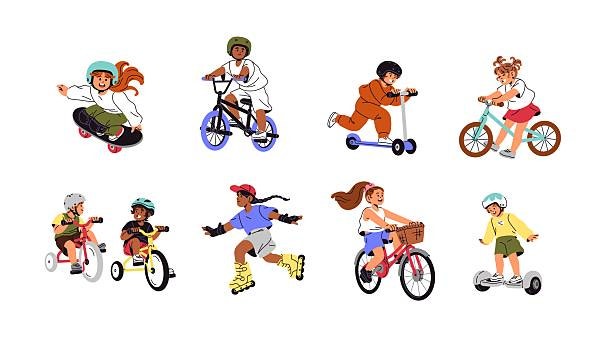
...prove that you can maintain the strength of a 40-year-old even in your 80s.
As we age, muscle mass naturally decreases by about 1% every year. However, consistent strength training can increase muscle mass by up to 200% even in your 70s and 80s.
Start doing squats or riding a bike right now.
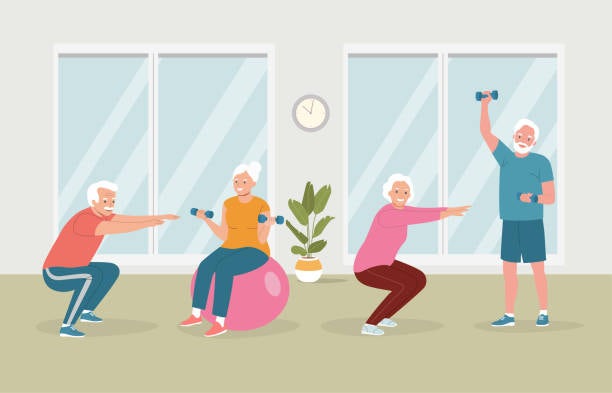
The thigh muscles you train today will be the most reliable ‘pension’ for your health in your later years.
#ThighMuscles #LowerBodyWorkout #DiabetesPrevention #BloodSugarControl #IncreaseBasalMetabolism #KneeArthritis #StrengthTraining #DietSecrets #HomeTraining #100YearHealth #Sarcopenia #CardiovascularPrevention #Quadriceps #SquatBenefits #HealthCheckup #GeomjinGaja #RetirementPrep #NaturalInsulin #Cycling #BodyFatLoss
Frequently Asked Questions
How do thigh muscles affect diet and basal metabolic rate?
Thigh muscles consume energy like a huge bucket, accounting for about 30% of our body's muscles. They play a key role in increasing basal metabolic rate and creating a body that doesn't experience the yo-yo effect, as they burn a tremendous amount of carbohydrates and fats in a short time.
Why is thigh muscle exercise important for diabetic patients?
Thigh muscles act as natural insulin. More than 70% of the glucose produced from the food we consume is absorbed by the thigh muscles and used as energy, so the thicker the thighs, the better the blood sugar control and improved insulin resistance.
Does a decrease in muscle mass increase the risk of cardiovascular disease?
Yes, studies show that the risk of developing cardiovascular disease increases by a whopping 76% in cases of sarcopenia. This is because fat accumulates in the place where muscle has been lost, destroying vascular endothelial cells and blocking blood vessels, which can lead to myocardial infarction or cerebral infarction.
Does lower body exercise help reduce knee arthritis pain?
Yes, it helps a lot. Strengthening the quadriceps femoris on the front of the thigh allows the muscles to absorb the load transmitted to the knee joint. While it cannot eliminate arthritis itself, strong muscles firmly hold the joint, reducing pain and slowing down damage.
Can muscle mass be increased through strength training even with age?
Yes, even in your 70s and 80s, you can increase muscle mass with consistent exercise. Although muscle naturally decreases by 1% each year as we age, consistently practicing strength exercises like cycling or squats can help maintain youthful levels of strength even in old age.