2026-05-29
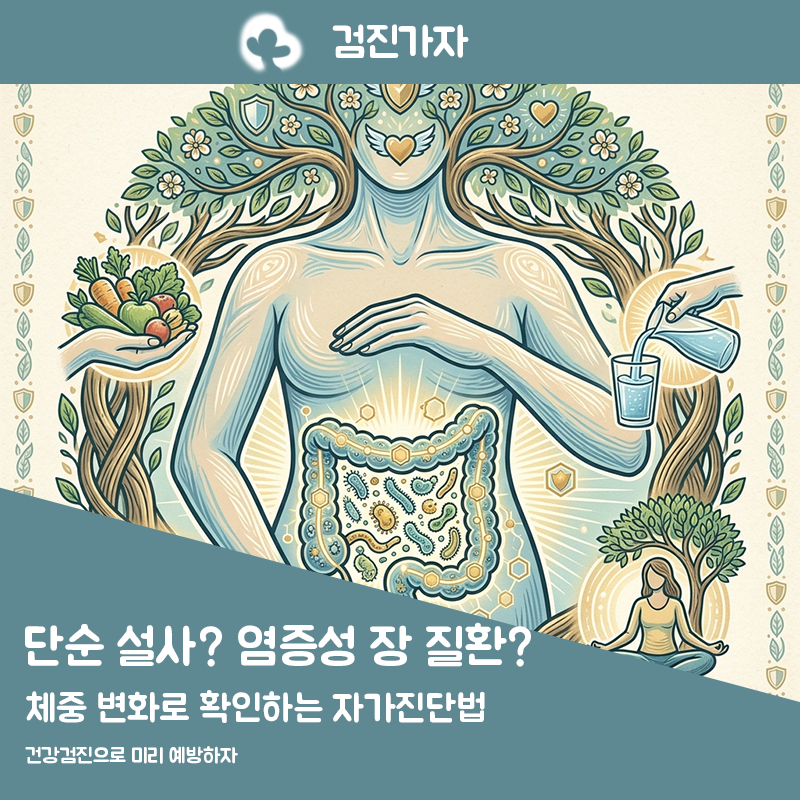
Is it Simple Diarrhea or Inflammatory Bowel Disease? Self-Diagnosis via Weight Changes
Learn to distinguish between Irritable Bowel Syndrome and Inflammatory Bowel Disease (IBD) by monitoring weight loss and nocturnal pain, plus tips for gut health.
Hello,
This is Checkup-Gaja.
You may have experienced unpleasant bowel movements after a meal at some point.
After major holidays or family gatherings, many people visit hospitals complaining of digestive symptoms.
While enjoying delicious food to your heart’s content is great, the story changes if your gut—the ‘root’ of our body—is screaming for help.
Today, we will delve into everything about gut health, the front line of our body’s immunity.
If you are planning a health checkup for your parents, please read this carefully until the end!
Why the gut? It is where 70% of your immunity is concentrated!
The food we eat enters through the mouth, but the protective shield that guards us against the numerous bacteria and viruses contained within that food is located in the gut.
Did you know that a staggering 70% of our body’s immune cells are concentrated in the gut?
When the gut is unhealthy, it does not stop at a simple stomachache.
Research continues to show that gut health is closely linked to everything from allergic diseases like atopy and asthma to depression, and even Parkinson’s disease or dementia, which threaten the quality of life in old age.
In other words, managing your gut is the first step to managing your overall health.
I go to the bathroom often; is it a disease? How to distinguish by symptoms
Many people say, ‘I usually have frequent diarrhea,’ but medical experts emphasize the importance of distinguishing between ‘real’ diarrhea and ‘pseudo’ diarrhea.
Irritable Bowel Syndrome (Pseudo Diarrhea)
You may experience abdominal pain and go to the bathroom immediately after eating or when stressed, but there is almost no change in weight even if this persists for years. This is often a functional disorder where the large intestine reacts sensitively.
Inflammatory Bowel Disease (Real Diarrhea)
You should be cautious if diarrhea is accompanied by unexplained weight loss or if the abdominal pain is severe enough to wake you up at night. This is because there is a high possibility of chronic inflammatory diseases such as Crohn’s disease or ulcerative colitis.
In particular, if bloody stools are present, a detailed examination is required without delay.
Catch the seeds of cancer: Polyps!
Colorectal cancer is very common among Koreans, but fortunately, it is also called a ‘kind cancer.’ This is because polyps, the stage before they develop into cancer, can be removed in advance through regular colonoscopies.
Serrated polyps, in particular, are difficult to detect because they lie flat, but they carry a very high risk of progressing into cancer. If you are between 45 and 50 years old, you must start your first colonoscopy even if you have no symptoms.
Don’t forget that removing polyps in time can reduce the risk of colorectal cancer by more than 60%!
3 Commandments for Gut Health Recommended by Experts
Are you looking for lactic acid bacteria (probiotics) supplements first? An expert’s advice is a bit different.
Don’t skimp on dietary fiber
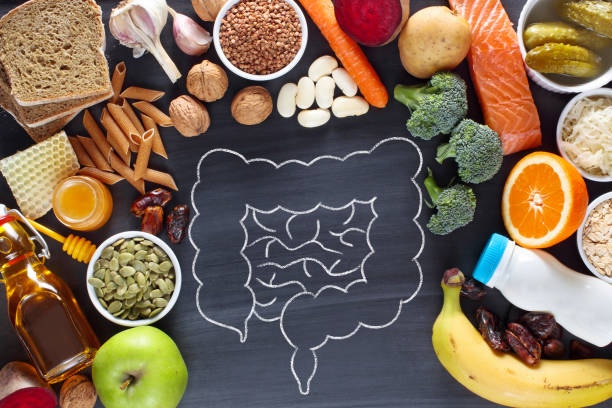
The best food for beneficial bacteria is not supplements, but the dietary fiber found in the vegetables and fruits we eat. A diet rich in fiber healthily restores the gut microbial ecosystem.
The miracle of a glass of water on an empty stomach
A glass of lukewarm water upon waking up is the best medicine to stimulate bowel movement (gastrocolic reflex), preventing constipation and helping discharge waste.
Correction of eating habits
Using a straw or eating too quickly causes you to swallow air, which leads to bloating and gas. Simply chewing slowly can make your gut much more comfortable.
What is the most necessary gift for parents celebrating their 70th birthday or a special anniversary?
While cash or good food are great, a comprehensive health checkup including an endoscopy is the most reliable way to show filial piety, promising another healthy decade for your parents.
In old age, as immunity weakens, intestinal tuberculosis—where latent TB germs invade the gut—or inflammation spreading through a weakened intestinal wall becomes more frequent.
Why not take this opportunity to hold your parents’ hands and visit a checkup center?
▼ To find digestive health checkups at event prices: KMI Busan ▼

▼ For KMI Busan reservation inquiries ▼
(Tel : 1600-2137)

▼ Curious about nationwide health checkup centers for a refreshing spring checkup? ▼

#HealthCheckup #GutHealth #ImmunityBoost
#Colonoscopy #IBS #CrohnsDisease #UlcerativeColitis #ColorectalCancerPrevention
#PolypRemoval #Adenoma #DietaryFiber
#RelieveConstipation #ParentsHealthCheckup
#FilialGift #70thBirthdayCheckup #CheckupGaja
#DigestiveHealth #GutMicrobiome
Frequently Asked Questions
How do you distinguish between simple irritable bowel syndrome and inflammatory bowel disease?
You can distinguish them by weight changes and the presence of nocturnal abdominal pain. Irritable bowel syndrome typically shows little to no weight change even after years, whereas inflammatory bowel disease is accompanied by unexplained weight loss, abdominal pain that disrupts sleep, and bloody stools, requiring a detailed examination.
When is the best time to start colonoscopy screening?
If you are between 45 and 50 years old, you should have your first colonoscopy even if you have no symptoms. Regular screenings at this age can detect and remove polyps that could develop into cancer, reducing the risk of colorectal cancer by over 60%.
Is taking probiotic supplements the best way to improve gut health?
Consuming dietary fiber from vegetables and fruits is more recommended than supplements. Dietary fiber is the best food source for beneficial gut bacteria, helping to restore a healthy intestinal microbial ecosystem.
Does drinking water on an empty stomach in the morning help with gut health?
Yes, a glass of lukewarm water on an empty stomach in the morning greatly helps with gut health. This effectively stimulates the gastrocolic reflex, promotes colon movement, prevents constipation, and aids in the excretion of bodily waste.
Is it bad for your gut to use a straw when eating?
Yes, using a straw or eating too quickly can cause you to swallow air, which is not good for your gut. This ingested air can cause abdominal bloating and gas, so having a habit of chewing slowly makes your gut more comfortable.