2026-05-29
If your legs tingle and you repeatedly walk and rest, suspect spinal stenosis
Spinal stenosis, a common condition that significantly impairs quality of life, involves the narrowing of the spinal canal, compressing nerves and causing pain and numbness. This article details its types, symptoms, treatment options, and crucial post-treatment management.
Hello,
This is Geomjingaja.
As modern people, haven't you felt back pain at least once?
Spinal stenosis is a common spinal condition that significantly impairs our quality of life.
We will delve into spinal stenosis, explaining why your back hurts, how to treat it, and how to manage it in your daily life.
What is spinal stenosis?
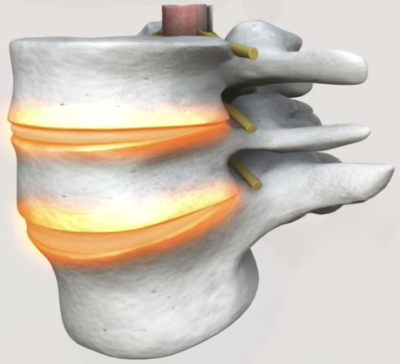
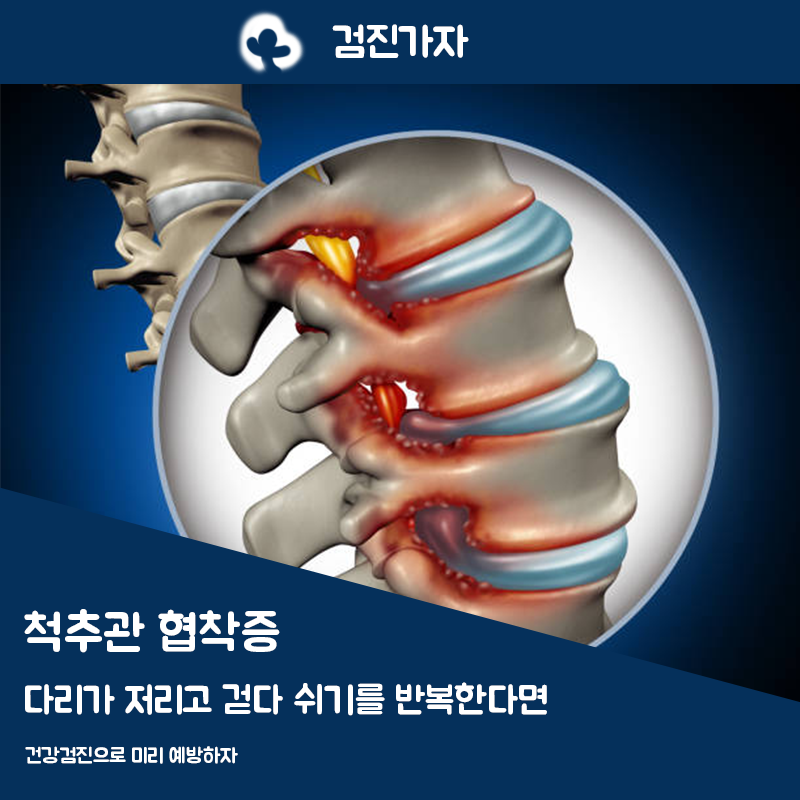
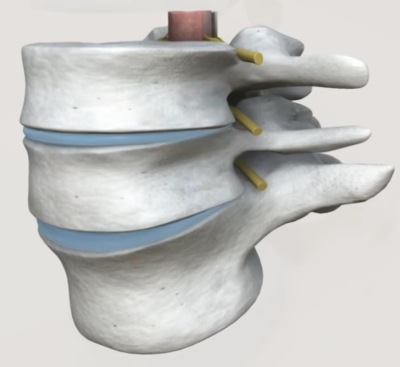
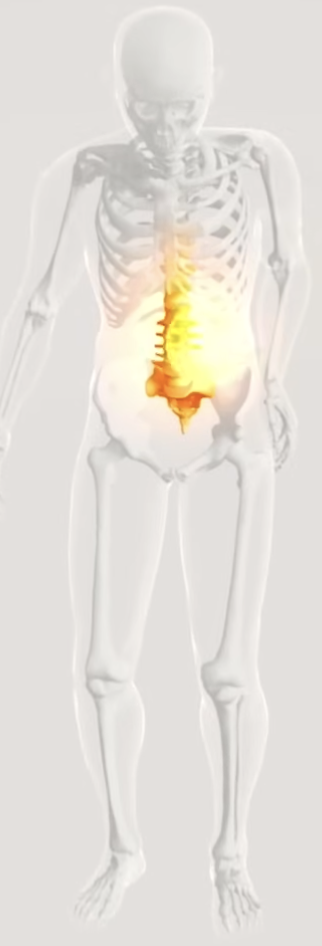
The spine, which forms the center of our body, contains a tunnel-like space that protects the spinal cord and nerve roots. This space is called the spinal canal.
As we age, degenerative changes can cause this passageway to narrow, resulting in nerve compression, pain, and numbness. This condition is known as spinal stenosis.
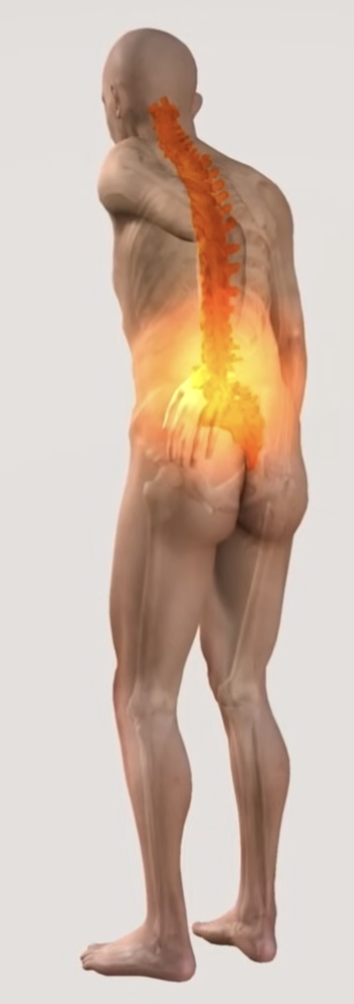
It's not just back pain; the pain characteristically radiates to the pelvis, thighs, and calves, which are connected by the affected nerves.
In particular, if you experience intermittent claudication—where your legs hurt so much while walking that you have to stop and rest before you can continue—it’s highly likely that the stenosis has progressed significantly.
Various types and symptoms of stenosis
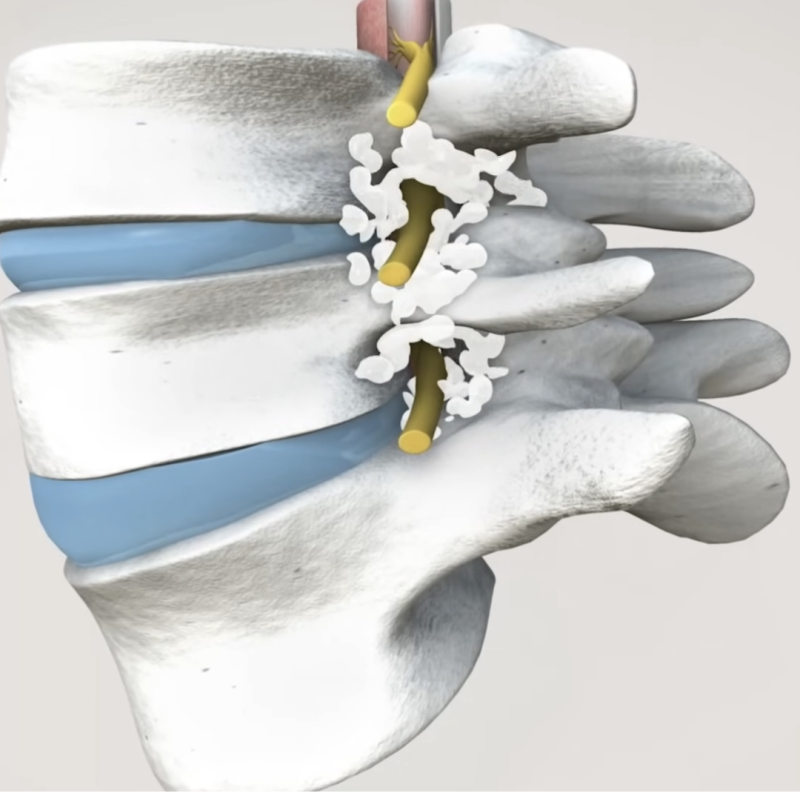
The location and cause of the narrowing determine different types of stenosis.
Central stenosis
This occurs when the central part of the spinal canal narrows, compressing the entire nerve bundle.
Foraminal stenosis
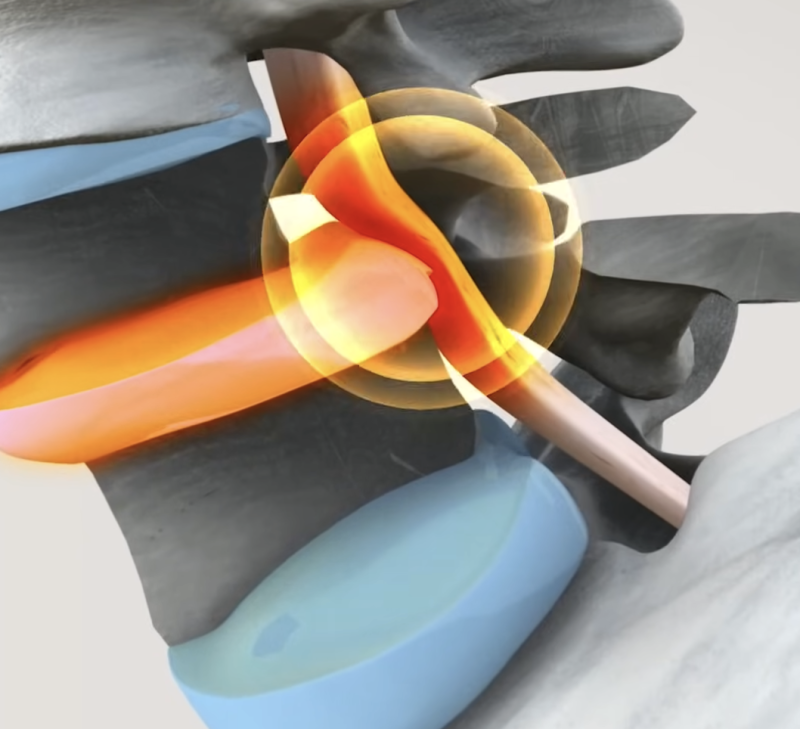
This is when the intervertebral foramen, the passageway through which nerves exit the spine, narrows, leading to persistent pain due to specific nerve root compression.
Stenosis with spondylolisthesis
This is a secondary stenosis where a vertebra slips forward over the one below it, narrowing the space.
Is surgery always necessary? Exploring treatment stages
Many people worry, ‘You shouldn’t have back surgery.’
However, treatment methods are tailored to the severity of symptoms.
Conservative treatment and procedures
In the early stages, pain can be significantly reduced with medication, nerve block injections (anti-inflammatory injections), or epidural adhesiolysis (physical dissection of the stenotic area using a catheter).
Surgical treatment
Surgery should be considered if the pain is so severe that it's difficult to walk even 100 meters, if there's muscle weakness in the legs, or if bowel or bladder dysfunction occurs.
Recent advancements in techniques like microendoscopic decompression and biportal endoscopic surgery, which minimize incision size and promote faster recovery, have reduced the burden on patients.
Post-treatment care is even more crucial! Lifelong spinal health management
Spinal stenosis, like hypertension or diabetes, is a condition that requires lifelong management.
Even after surgery or procedures, recurrence can occur if proper lifestyle habits are not maintained.
3 movements to avoid:
- Bending forward at the waist (this is the worst!)
- Lifting heavy objects
- Running in high-heeled shoes
Recommended exercises:
Walking, cycling, and swimming are beneficial. Swimming, in particular, is highly effective for strengthening muscles without straining the spine.
Lifestyle tips:
When lifting objects, use your leg strength to lift them while keeping your back straight, rather than bending at the waist. In the morning, instead of getting up immediately, it’s good to do light stretches while lying down to relax your spine.
Back pain can make life feel debilitating and steal your joy.
However, with accurate diagnosis, appropriate treatment, and consistent exercise, you can walk actively again.
We hope the information provided today helps you protect your spinal health!
#SpinalStenosis #BackPain #HerniatedDisc
#SpinalHealth #SpinalDisorders #LegNumbness
#NerveBlock #BackSurgery #NonSurgicalTreatment
#DegenerativeSpinalDisease #WalkingExercise #Swimming
#SpinalCare #HealthInformation #KneePain
#Osteoporosis #PainManagement #RehabilitationExercise
#BackStretching #HealthCheckup #Geomjingaja
Frequently Asked Questions
What are the typical symptoms of spinal stenosis?
Intermittent claudication, where leg pain becomes so severe while walking that one must rest before continuing, is a typical symptom. In addition to lower back pain, symptoms like pain and numbness can radiate to the pelvis, thighs, and calves, as these areas are connected by nerves.
Is surgery always necessary for spinal stenosis?
No, it is not. In the early stages, non-surgical treatments can significantly reduce pain. Conservative treatments and procedures such as medication, nerve blocks (injecting anti-inflammatory agents), or epidural adhesiolysis using a catheter are typically performed first.
In what cases should spinal stenosis surgery be considered?
Surgery should be considered when pain is so severe that walking even 100 meters is difficult, or when muscle weakness, or bowel and bladder dysfunction occur. Recently, advancements in techniques like micro-decompression and bi-directional endoscopic surgery, which minimize incision sites to aid recovery, have reduced the burden of surgery.
What actions should patients with spinal stenosis avoid?
You should most avoid bending your back forward. Additionally, lifting heavy objects or running in high-heeled shoes puts a strain on the spine, so it is best to avoid these activities in daily life.
What exercises are beneficial for spinal health management?
Walking, cycling, and swimming are good for spinal health management. Swimming, in particular, is highly effective in strengthening the surrounding muscles without straining the spine, so consistent practice is recommended.