2026-05-29
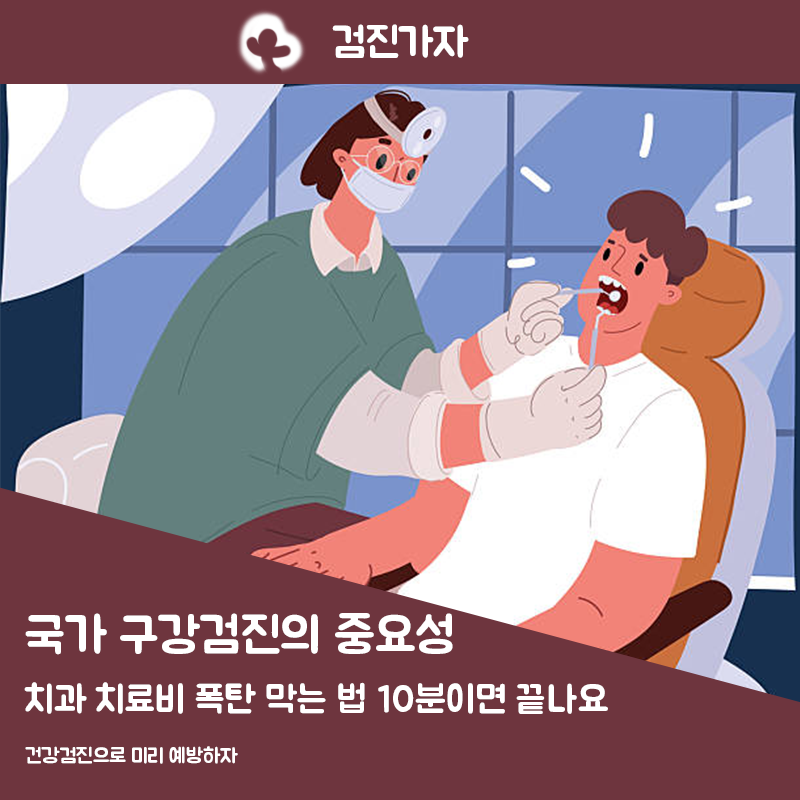
How to Avoid Massive Dental Bills: The Importance of the 10-Minute National Oral Health Exam
Save money and protect your smile with the free National Oral Health Exam. Learn about the process, benefits, and why early detection is key for busy professionals.
Hello,
This is Geomjin Gaja.
To all the office workers out there
spending busy days buried in work,
have you finished your health checkup for this year?
While many people make sure to get their general health checkup,
the one item that is surprisingly often overlooked or postponed
is the oral health exam.
‘It doesn’t even hurt, do I really need to go?’ ‘Won’t it just cost me more money if I go?’
If you are delaying it because of these worries,
please pay attention!
We have summarized the real process of the National Oral Health Exam
and some essential tips you should know.
Can anyone receive the National Oral Health Exam?
Any office worker is eligible. Since it is a checkup supported by the government, the biggest advantage is that it is conducted for free with no out-of-pocket cost.
However,
it is not available at every dental clinic; you must visit a clinic registered as a designated medical institution for oral health exams.
Making a reservation before your visit is a must, right?
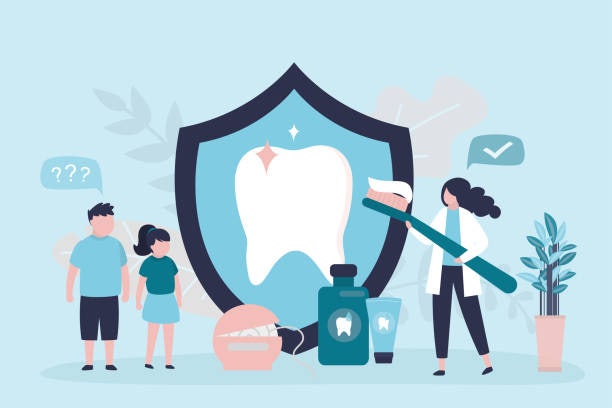
What is the procedure for the oral health exam?
The examination process is
much simpler and faster than you might think.
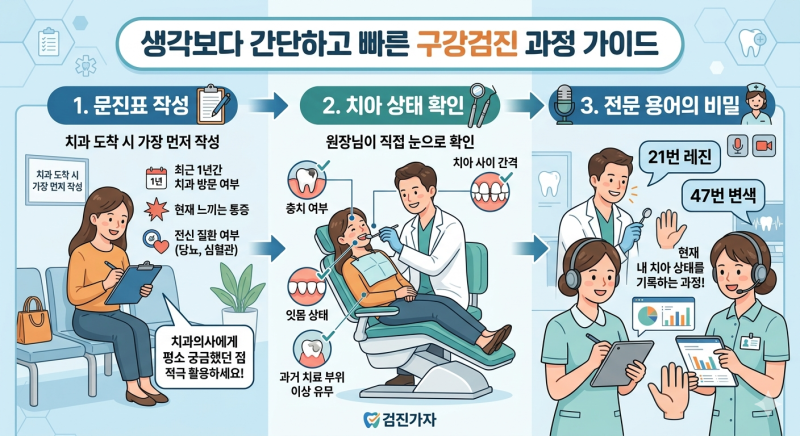
Filling out the Questionnaire
Upon arriving at the dentist, the first thing you do is fill out an oral health exam questionnaire.
You will carefully check items such as dental visits within the past year, any current pain, and the presence of systemic diseases like diabetes or cardiovascular disease.
There is also a section to write down questions you’ve always wanted to ask the dentist, so make sure to use it actively.
Checking Tooth Condition
Once you sit in the dental chair (unit chair), the dentist will personally examine the condition of your teeth.
They will perform an overall check for visible cavities, the spacing between teeth, gum health, and any abnormalities in areas previously treated.
The Secret of Professional Terms
During the exam, you might hear the dentist say terms like ‘Number 21 resin’ or ‘Number 47 discoloration’ to the nurse.
This is simply the process of recording your current dental status, so there is no need to be intimidated.
How long does the exam take?
Excluding waiting time,
the actual time the dentist spends examining your teeth is very short, about 5 to 10 minutes.
It is a level of commitment that is not burdensome at all for busy workers to visit during lunch breaks or briefly before heading home.
Why shouldn’t you delay your oral health exam?
As emphasized in the video, the purpose of an oral health exam is early detection.
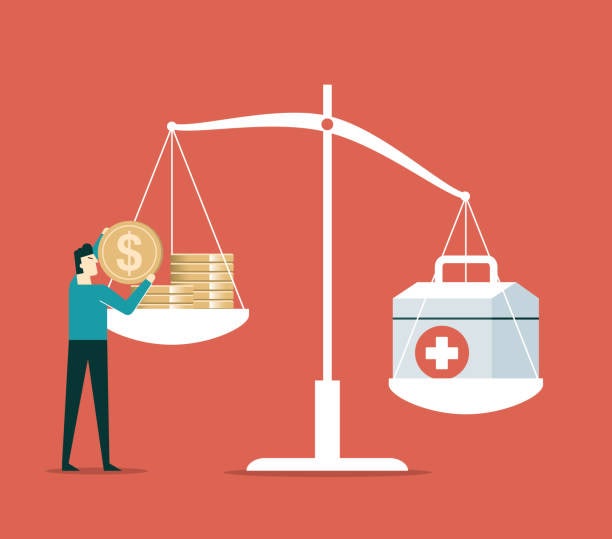
Reducing Treatment Costs
If a cavity is found when it is small, it can be resolved with a simple resin treatment. However, if left neglected, it can lead to root canals or even implants, which can cost millions of won.
Preventive Effect
Through the exam, you can identify problems in your current dental care habits and receive recommendations such as scaling if necessary to prevent more serious diseases.
How do I use the results after the exam?
Once the exam is over, you can receive your oral health exam result notice immediately on-site.
It will state whether there are teeth requiring treatment and what areas you need to be careful about.
If a cavity is found, you can set up a treatment plan that day or make a reservation for a later time.
The National Oral Health Exam is free.
Don’t miss out on this valuable benefit!
The cheapest dentist is the one you visit before it hurts.
Even for busy workers, 10 minutes is enough. Book an appointment at a nearby designated dentist right now.
Finding a hospital near you that offers oral health exams is not difficult.
Search quickly and easily on Geomjin Gaja and handle everything from lookup to reservation at once!
▼ For comprehensive checkups including oral exams, visit KMI Gwanghwamun here ▼

▼ If you need reservation inquiries for KMI Gwanghwamun ▼
(Tel : 1600-2137)

▼ If you are curious about nationwide health checkup centers for a refreshing spring checkup ▼

#EmployeeHealthCheckup #OralHealthExam #NationalHealthCheckup
#GeomjinGaja #DentalExam #FreeDentalExam
#EmployeeEssential #CavityPrevention #OralExamQuestionnaire
#DentalReservation #HealthCheckupTarget #DentalCare
#ImplantPrevention #Scaling #PeriodontalDisease
#RegularDentalCheckup #HealthInsuranceBenefits #SaveOnTreatmentCosts
#EarlyDetection #DentalReview
Frequently Asked Questions
Can anyone receive a free national oral examination?
Yes, any employee can receive it for free without any personal co-payment. As it is an examination supported by the state, there is no cost burden, and you can visit a dental clinic registered as a designated oral examination medical institution after making a reservation in advance.
How long does an oral examination take?
Excluding waiting time, it takes a very short time, approximately 5 to 10 minutes. It proceeds with the dentist visually checking the condition of your teeth, allowing busy office workers to easily receive it during lunch breaks or before leaving work.
What is the procedure for an oral examination?
It proceeds in the order of filling out a questionnaire followed by a visual examination by the dentist. Upon arrival at the dental clinic, you will fill out a questionnaire regarding your recent dental visits and systemic diseases, after which the dentist will comprehensively check for cavities, tooth spacing, and gum condition in the examination room.
When can I find out the examination results?
You can receive the oral examination result notification immediately on-site after the examination is completed. The notification will list teeth that require treatment or points to be aware of, and if cavities are found, you can plan treatment for the same day or make a future appointment.
Do I still need to get an oral examination even if I don't feel any pain?
Yes, it is highly recommended to receive it for early detection. If cavities are detected early, they can be treated with simple resin fillings, but if left untreated, they can lead to costly procedures such as root canal treatment or implants, so it is essential for prevention.