2026-05-29
Is Pumpkin Juice Effective for Post-Surgery Swelling? Precautions to Note
Explore the science behind pumpkin juice for post-surgery swelling, its key ingredients like potassium, and essential precautions for safe consumption.

Hello,
This is Geomjin Gaja.
Whether it is a minor procedure or a major surgery following a medical checkup, one of the biggest concerns is swelling.
Every time you look in the mirror after surgery, that upsetting ‘swelling’ is what you see. The first thing most people think of to resolve this is likely pumpkin juice.
For Koreans, it has moved beyond a folk remedy to become almost a ‘mandatory post-surgery course.’
Let’s take a deep dive into whether pumpkin juice is scientifically effective or simply a source of psychological comfort.
Why does post-surgery swelling occur?
Before discussing the efficacy of pumpkin juice, we must understand why we swell. Post-surgery swelling is slightly different in nature from the puffiness caused by eating ramen late at night.
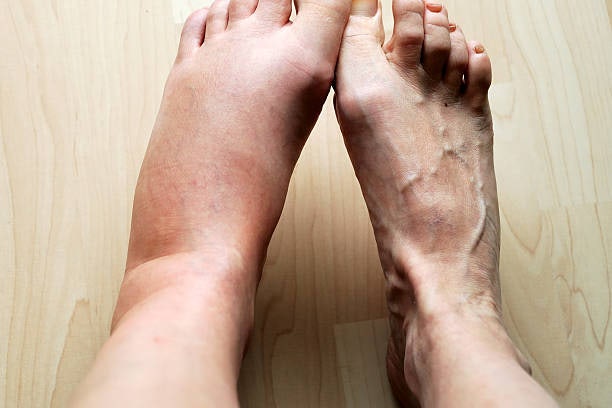
Inflammatory Response
Surgery involves intentional damage to body tissues. To heal this, the body increases blood flow and concentrates white blood cells. In this process, blood vessels dilate and tissue fluid leaks out, causing edema.
Decreased Lymphatic Circulation
Lymphatic vessels around the surgical site may be temporarily damaged or compressed, causing fluid flow to stagnate.
Reduced Activity
When movement decreases due to post-operative pain, the muscle pump action becomes less effective, causing fluid to pool in the lower body or around the surgical area.
What are the key ingredients in pumpkin juice that reduce swelling?
Pumpkins, especially aged pumpkins, are known to be good for swelling thanks to three main components.
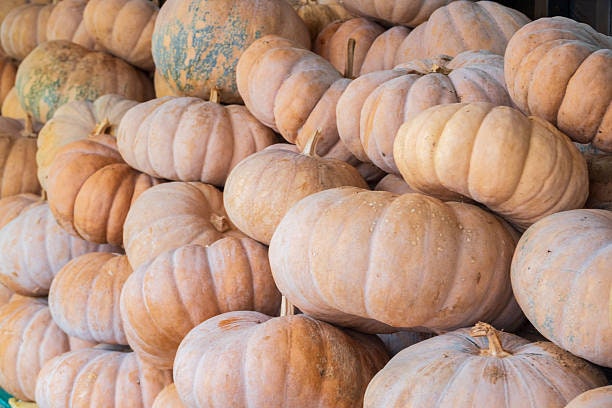
Rich in Potassium
Pumpkins are very rich in potassium. Potassium plays a role in excreting sodium from the body. Since sodium has the property of attracting water, potassium helps push it out, aiding in water excretion through urine (diuretic effect).
Beta-carotene
A powerful antioxidant, beta-carotene helps suppress the inflammatory response that occurs after surgery and aids in repairing cell damage.
Vitamin A, C, and Dietary Fiber
These boost immunity and prevent constipation that can occur after surgery, improving overall body circulation.
The real efficacy of pumpkin juice: Helpful, but not a cure-all
To get straight to the point, pumpkin juice is effective in removing swelling caused by general water retention through its ‘diuretic action.’
However, it cannot magically make the intense ‘inflammatory edema’ that occurs immediately after surgery disappear overnight.
Post-surgery, pumpkin juice acts more as a ‘supplement.’ This is because it facilitates metabolism and acts as a trigger to expel waste products from the body.
Particularly given the Korean diet, which often includes spicy and salty foods, potassium-rich pumpkin juice shows excellent effects in sodium regulation.
Side effects to watch out for and who should avoid it
Even the best food can become toxic. Caution is required in the following cases:
People with weak kidney function
If patients with kidney disease, who have a reduced ability to excrete potassium, consume excessive pumpkin juice, blood potassium levels may rise, putting a strain on the heart.
People with weak digestion
While pumpkins have a warm nature, consuming them excessively in juice form can cause diarrhea or abdominal pain.
Diabetic patients
Many commercially available pumpkin juices have added sugar for taste. Since the sugar content of the pumpkin itself cannot be ignored, those who need blood sugar management should be careful.
Cases with high liver enzymes
Concentrated ‘juice’ forms can put a temporary burden on the liver, so it is best to consult a specialist before consuming large quantities.
The perfect routine to reduce post-surgery swelling
Rather than relying solely on pumpkin juice, the effects are maximized when combined with the following routine:
Light Walking
Walking slowly, as long as it does not strain the surgical site, is the most powerful way to aid lymphatic circulation.
Sufficient Water Intake
Paradoxically, you must drink enough water so that the body does not try to hold onto moisture and instead releases it.
Low-Sodium Diet
Reducing sodium intake can be faster than drinking 10 pouches of pumpkin juice.
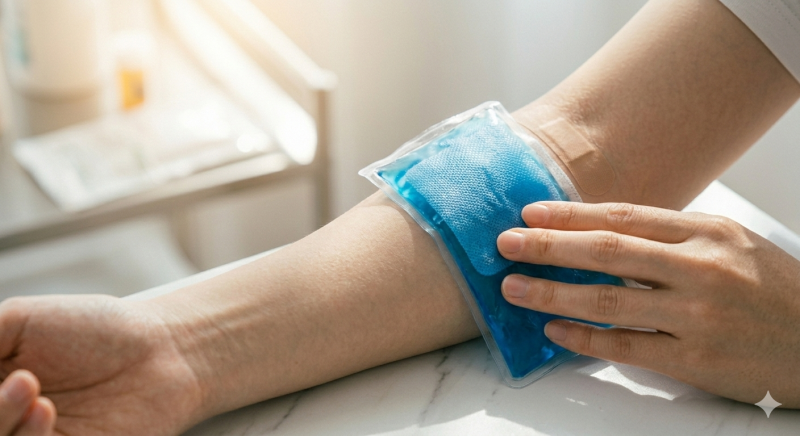
Cold and Warm Compresses
In the early stages (48–72 hours), use cold compresses to constrict blood vessels and suppress swelling. Afterward, use warm compresses to aid blood circulation.
Pumpkin juice is an ‘excellent supporter’ that provides hydration and aids circulation for a body exhausted during the post-surgery recovery period.
However, keep in mind that it is not a medical treatment. If you combine it with a proper diet and light exercise, and consume an appropriate amount (1–2 pouches a day) according to your physical condition, you will be able to return to your daily life without swelling more quickly.
#PumpkinJuice #PostSurgerySwelling #SwellingTea #AgedPumpkinJuice #PlasticSurgeryAftercare #PostpartumSwelling #EdemaRemoval #PotassiumFoods #DiureticEffect #PostOpCare #PumpkinJuiceBenefits #PlasticSurgerySwelling #HowToReduceSwellingFast #DietTea #HealthJuice #RecoveryDiet #InflammationRelief #SodiumExcretion #LymphaticCirculation #InnerBeauty #GeomjinGaja #HealthCheckup
Frequently Asked Questions
Does drinking pumpkin juice immediately reduce swelling after surgery?
No, swelling does not magically disappear overnight. Pumpkin juice acts as a supplement that aids diuresis and expels bodily waste through its rich potassium content. It is effective in alleviating swelling caused by general water retention, but it is not a medical treatment that immediately cures strong inflammatory edema right after surgery.
What is the principle by which pumpkin juice helps reduce swelling?
It is thanks to the abundant potassium and beta-carotene contained in pumpkin. Potassium aids diuresis, which expels sodium in the body that attracts water, through urine. In addition, beta-carotene, a powerful antioxidant, contributes to suppressing inflammatory reactions that occur after surgery and restoring cell damage.
Are there any side effects to be aware of when consuming pumpkin juice?
Yes, individuals with kidney disease or diabetes should be cautious when consuming it. If kidney function is weak, it can be difficult to excrete potassium, which can strain the heart, and commercially available pumpkin juice often contains added sugar, which can adversely affect blood sugar management. Also, those with weak digestion may experience diarrhea if consumed in excess.
How can I quickly reduce swelling after surgery?
The best way is to combine pumpkin juice consumption with light walks, a low-sodium diet, hydration, and hot/cold compresses. Walking exercises, as long as they don't strain the surgical site, promote lymphatic circulation. Also, it is effective to use cold compresses for the initial 48-72 hours to constrict blood vessels, and then switch to warm compresses to aid blood circulation.