2026-05-29
Is Your Urine Stream Not What It Used to Be? A Complete Guide to Prostate Ultrasound: Procedure, Cost, and Precautions
Learn about prostate ultrasound (TRUS), a vital exam for men's health. Covers symptoms, procedure steps, costs, and tips for maintaining a healthy prostate.

Hello,
This is Checkup-Go.
Why is prostate health so important? Located just below the bladder and surrounding the urethra, this small organ produces part of the seminal fluid and plays a key role in reproductive function.
For men, the prostate is
an organ so vital it is often called the ‘second heart’.
However,
as men age, the prostate gradually enlarges due to hormonal changes and aging,
which is the condition commonly known as Benign Prostatic Hyperplasia (BPH).
The problem is that early symptoms are easily misunderstood as temporary issues caused by ‘fatigue’ or simply ‘getting older’.
If symptoms like a weak urine stream, a feeling of incomplete emptying, or waking up at night to use the bathroom are ignored,
they can lead to serious complications such as bladder stones or kidney failure.
The first step to an accurate diagnosis is a prostate ultrasound.
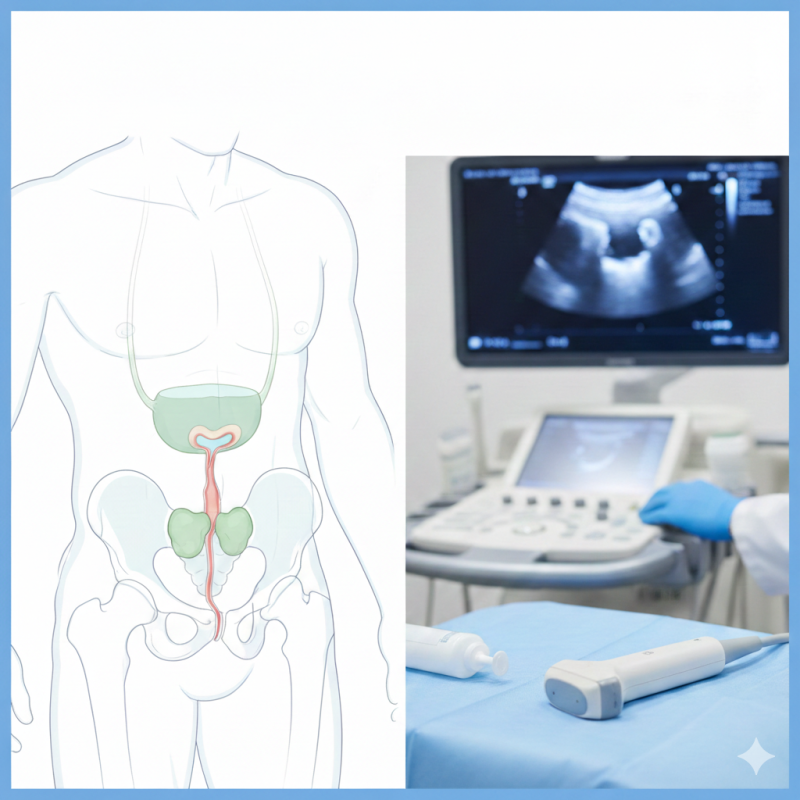
What is a Prostate Ultrasound? (Transrectal Ultrasound, TRUS)
A prostate ultrasound is an examination where an ultrasound device is inserted through the rectum to visualize the size, shape, and any abnormalities of the prostate.
While a standard abdominal ultrasound can see the prostate,
because the prostate is located deep within the pelvis, a transrectal ultrasound provides much higher resolution and allows for a more accurate diagnosis.
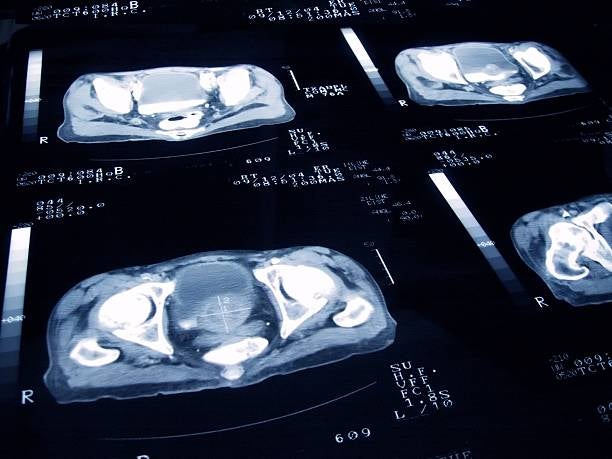
What can be identified through the exam:
Measuring Prostate Size
Quantifies the progression of hyperplasia.
Presence of Tumors or Nodules
Visually checks for the possibility of prostate cancer.
Diagnosing Prostatitis
Identifies swelling or calcification caused by inflammation.
Condition of Seminal Vesicles and Surrounding Tissues
Checks for abnormalities in the ejaculatory ducts or nearby structures.
Who Needs This Exam? (Checklist)
If you fall under two or more of the following symptoms, it is highly recommended to include a prostate ultrasound in your health checkup.
Urination Difficulties
You don’t feel relieved after urinating, or the stream breaks frequently.
Frequency and Nocturia
You go to the bathroom too often during the day or wake up more than twice at night.
Hesitancy
It takes a long time for urine to start coming out, or you have to strain.
Hematuria and Hematospermia
Blood is found in the urine or semen.
Family History
If there is a history of prostate cancer in the family (recommended from age 40).
The Exam Process and Pain Level
Many men feel a psychological aversion to the idea of a device being inserted rectally.
However, the actual exam time is very short, lasting about 5 to 10 minutes.
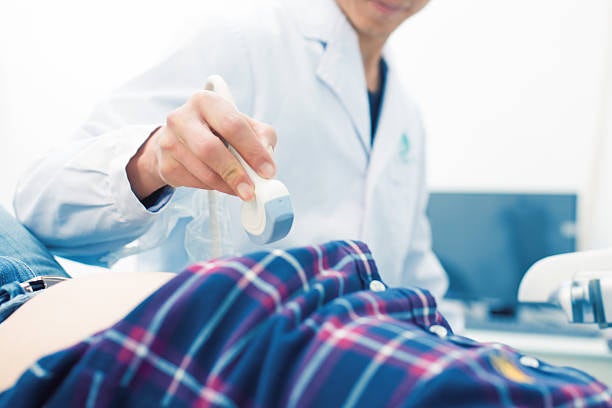
Position
You lie on your side and pull your knees toward your chest (fetal position).
Process
After applying lubricant to the rectum, a thin ultrasound probe is inserted.
Pain
You may feel some pressure or the urge to have a bowel movement,
but it does not cause severe pain.
The more you relax your body, the smoother the process will be.
Precautions and Cost Before the Exam
A few preparations are needed for an efficient exam.
Fasting
Generally, fasting is not mandatory if you are only having a prostate ultrasound,
but it is better to have a bowel movement before the exam for clearer imaging.
(Check with your hospital as guidelines may vary.)
Holding Urine
Performing the exam with a somewhat full bladder can make the boundary with the prostate clearer,
so you may be asked to hold your urine slightly.
Cost
It varies depending on the checkup center or hospital size,
but it typically ranges between 50,000 and 150,000 KRW.
Recently, if the exam is performed under a doctor’s prescription due to symptoms, health insurance benefits may apply, significantly reducing the burden.
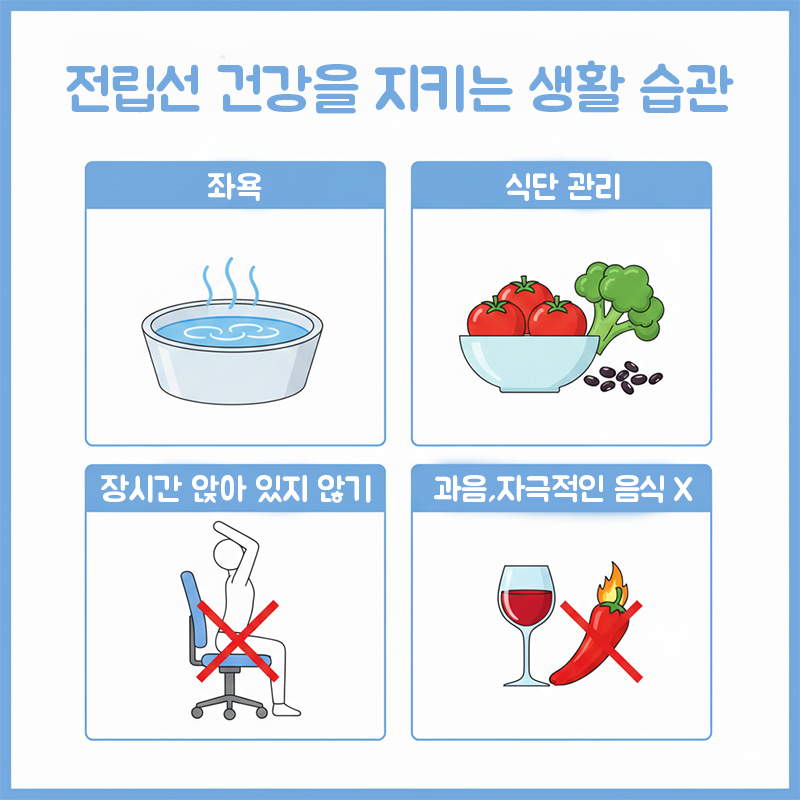
Lifestyle Habits to Protect Prostate Health. Even if the results are normal, maintenance must continue.
Sitz Baths
Taking a warm sitz bath for 10–15 minutes a day relaxes the muscles around the prostate and improves blood circulation.
Dietary Management
Consume foods good for the prostate, such as tomatoes (lycopene), broccoli, and black beans.
Things to Avoid
Avoid sitting for long periods, excessive alcohol consumption, and spicy foods, as these can cause prostate congestion.
Prostate disease is not ‘a disease everyone gets as they age,’
but rather ‘a condition that can be managed comfortably with proper care.’
If you are a man over 50, or in your 40s with a family history,
we recommend regular prostate ultrasounds combined with blood tests (PSA) once a year.
We hope today’s information helps you maintain a healthy and comfortable daily life.
#ProstateUltrasound #ProstateHealth #HealthCheckup #MensHealth #BPH #ProstateCancerScreening #Prostatitis #UrologyExam #Nocturia #FrequentUrination #UrinationDisorder #50sHealthCheckup #40sMensHealth #ProstateExamCost #ProstateUltrasoundMethod #ProstateAftercare #EssentialMensCheckup #ProstateSpecificAntigen #PSATest #ProstateHealthyFoods #CheckupGo
Frequently Asked Questions
Is a prostate ultrasound painful?
No, it does not cause severe pain. Since the equipment is inserted through the anus, you may feel some pressure or a sensation of needing to defecate. If you relax your body during the examination, it will proceed much more smoothly within 5-10 minutes.
How much does a prostate ultrasound cost?
The cost typically ranges from 50,000 to 150,000 won. There may be differences depending on the size of the hospital or health check-up center, and if it is performed under a doctor's prescription due to symptoms such as urination difficulties, you can receive health insurance benefits to reduce the cost burden.
Do I need to fast before the examination?
Generally, fasting is not essential when only a prostate ultrasound is performed alone. However, it is advisable to have a bowel movement before the examination for accurate imaging, and sometimes the examination is performed with a slightly full bladder to clearly see the boundary with the bladder, so you should check the hospital's guidelines.
At what age is it recommended to start having prostate ultrasounds?
Men aged 50 and older are recommended to have it regularly once a year. If there is a family history, such as a family member with prostate cancer, it is advisable to start managing it early from the age of 40 by combining prostate ultrasound with a blood test (PSA).
What habits should I avoid for prostate health?
You should avoid prolonged sitting, excessive alcohol consumption, and eating spicy foods. These habits can cause prostate congestion, so caution is needed; instead, taking a sitz bath with warm water for 10-15 minutes a day or consuming tomatoes and broccoli can be helpful.